
IN THIS ARTICLE
Introduction
You tore open the box, snapped off a square, and saved the rest for later. A week passes. Then a month. Now that bar sits in a drawer, and a quiet worry creeps in. Is it still good? Did it lose its punch? Do mushroom chocolate bars expire?

Short answer: yes, every food product has a limit, and chocolate is no exception. The good news is that you control a lot of that timeline. This guide explains what expiration means for a mushroom chocolate bar, how to store it, and how to tell when it has had its day.
What "Expire" Really Means for a Chocolate Bar
People use the word loosely, so let us sort out three different ideas. Each one affects your bar in a separate way.
- Best-by date: The maker's estimate of when the bar tastes its best.
- Safety: Whether the bar has spoiled in a way that could make you sick.
- Potency drift: Whether the active ingredients may fade or change over time.
A bar can pass its best-by date and still look and smell fine. A bar can also sit in a hot car and lose quality long before any date. That is why storage matters as much as the calendar.
Why Chocolate Is Naturally a Slow Mover
Chocolate has a reputation for staying fresh, and the reputation has roots. It contains little water, and low moisture makes it hard for mold and bacteria to grow. Cocoa butter also acts as a natural protector, which helps the bar hold its texture.
Still, chocolate carries risks that sneak up on you. Heat melts it. Light dulls it. Strong smells creep into it. Moisture can turn the surface gritty. A bar can stay safe for a long time yet lose the snap, flavor, and quality you paid for.
Meet the Four Enemies of a Long-Lasting Bar
Nearly every storage problem traces back to four culprits. Learn them, and you win most of the battle.
- Heat: Warm spots soften chocolate and speed up changes inside the bar.
- Light: Sunlight and bright lamps can dull flavor and color over time.
- Air: Oxygen exposure can stale flavors and affect delicate ingredients.
- Moisture: Humidity and condensation damage texture and can invite spoilage.
Your job is simple. Keep the bar cool, dark, sealed, and dry. Do those four things and you extend their useful life in a big way.
Does Potency Fade Over Time?
Many shoppers worry that a stored bar will lose its punch. The honest answer is that active compounds in many food products can change gradually, especially with heat, light, and oxygen exposure. Exact rates depend on the ingredient, the formula, and the storage conditions, so no one can give you a single number that fits every bar.
You can protect potency with sensible habits:
- Keep the bar sealed: Reduce air contact after each use.
- Avoid hot spots: Skip windowsills, dashboards, and kitchen counters near the stove.
- Use it in good time: Enjoy the bar well within the date on the package.
- Store it in the dark: A pantry shelf or closed cabinet works better than an open counter.
Check the lab results: Mmelt shares lab results, which helps you compare what a batch contained at testing.
How Chocolate Type Changes the Storage Story
Not every bar behaves the same way. The type of chocolate and the extras inside change how long a bar stays at its best. Use this table as a general guide and always defer to the date printed on your package.
|
Bar Style |
What Affects It Most |
Storage Note |
|
Dark chocolate |
Heat and strong odors |
Often holds quality well in a cool, dark spot |
|
Milk chocolate |
Heat and dairy content |
Softens easily, so keep it consistently cool |
|
Cookie or crunch inclusions |
Moisture and air |
Seal tightly to protect the crisp texture |
|
Creamy or cake-style flavors |
Heat and humidity |
Store away from warm kitchens |
|
Candy-topped bars |
Moisture |
Keep dry so the toppings stay crisp |
If you love a dark chocolate mushroom bar, you get a bonus. Dark chocolate generally contains less dairy than milk chocolate, which many people find easier to store for longer stretches.

Reading the Package Like a Pro
The package holds more answers than most people realize. Spend thirty seconds with it right after delivery and save yourself worry later.
- Find the best-by date: Write it on the box in marker if it is hard to spot.
- Locate the batch code: Note it in your phone so you can look up the batch later.
- Read the storage directions: The brand knows its recipe best.
- Check the serving guidance: Each piece is meant to be portioned, not eaten as a whole bar.
- Look at the seal: A torn or open wrapper at arrival deserves a message to support.
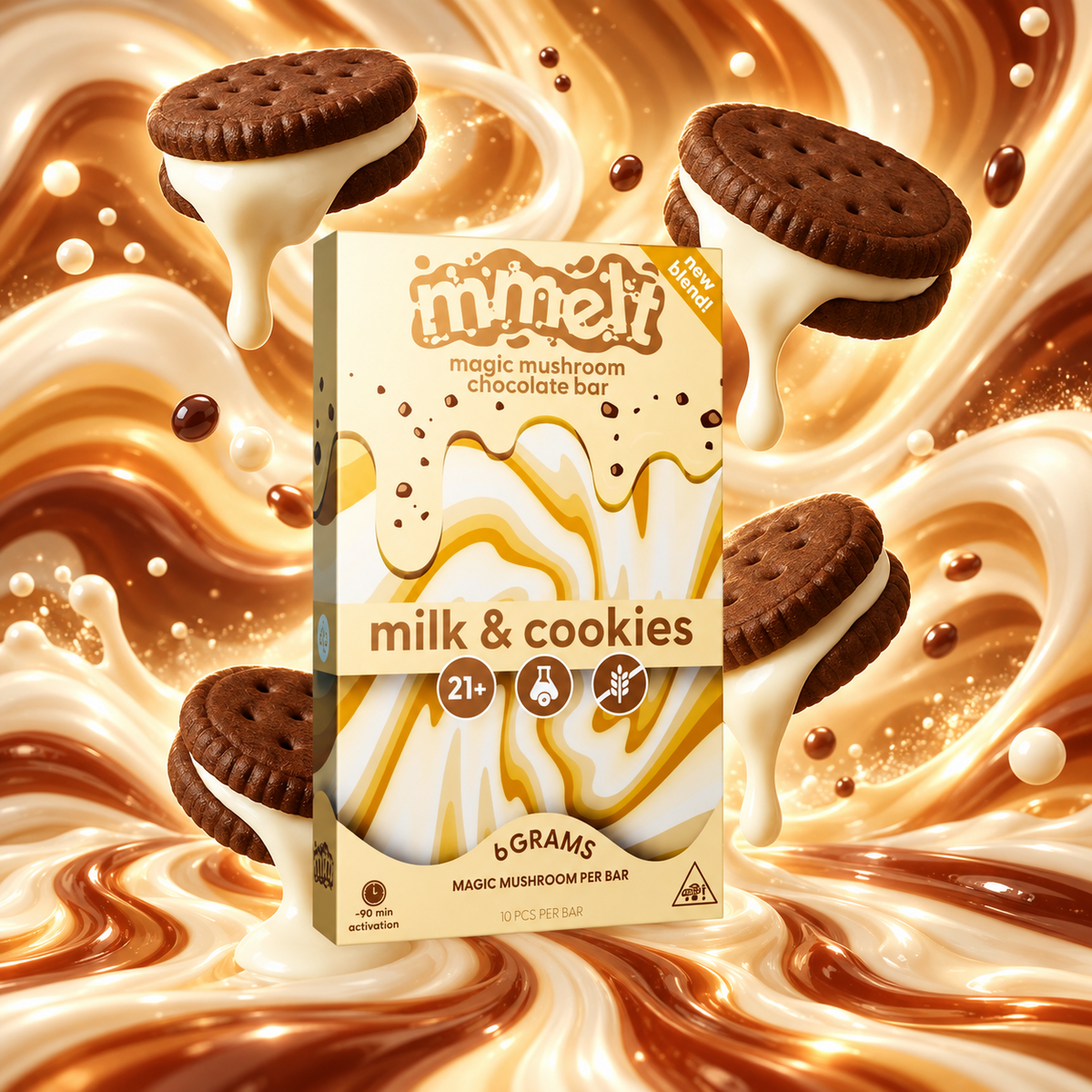
Mmelt lists the 6G bar and a 2G party pack with 20 pieces, so confirm which format you hold before you plan your portions.
The Fridge, the Freezer, or the Pantry?
Everyone has an opinion about where chocolate should live. Each spot has strengths and trade-offs. This table breaks them down.
|
Storage Spot |
Best For |
Watch Out For |
|
Cool pantry or cabinet |
Everyday storage for most bars |
Hot weather and nearby appliances |
|
Refrigerator |
Warm homes and hot summers |
Condensation and absorbed food smells |
|
Freezer |
Long-term storage of extras |
Moisture when thawing and texture changes |
|
Countertop |
Nothing in the long run |
Heat, light, and curious hands |
A pantry works well for most households. If your home runs warm, choose the fridge, seal the bar tightly, and let it sit unopened for a few minutes after you remove it, so condensation does not coat the surface.
How to Store a Bar You Have Already Opened
An opened bar needs more protection than a sealed one. Air and moisture reach it, and smells drift in. Follow a few simple steps after every snack.
- Rewrap tightly: Fold the original wrapper snugly over the exposed end.
- Add an airtight layer: Slide the bar into a zip bag or small container.
- Keep it separate: Store it away from onions, coffee, and spices.
- Label the container: Mark it clearly as a mushroom product.
- Return it quickly: Do not leave it on the counter while you cook.
Signs Your Bar Has Gone Past Its Best
Your senses tell you a lot. Look, smell, and taste a tiny piece before you decide. Here is how to read the signals.
- White or gray streaks: This surface film, called bloom, comes from fat or sugar moving to the surface. It looks odd, but it often does not mean the bar spoiled.
- A sour or off smell: Trust your nose and skip the bar.
- Visible mold or fuzzy spots: Throw the bar away.
- A gritty, sticky, or wet texture: Moisture likely reached the bar.
- A dull, stale flavor: The bar may still be safe but no longer delights.
- When you feel unsure, discard the bar. A fresh purchase costs far less than a bad evening.
- Storing Bars During Hot Summers and Cold Winters
Seasons test your storage plan. Heat is the bigger threat but cold brings its own challenges.
- Summer: Keep bars indoors, away from sun, and never leave them in a parked car.
- Delivery days: Bring packages inside quickly if the weather runs hot.
- Winter: Let a very cold bar warm gradually before you open it.
- Heating vents: Store bars away from radiators and warm air outlets.
- Travel: Pack bars in an insulated pouch with a cold pack on long trips.
- The shipping policy explains how Mmelt handles orders, and it helps you plan for delivery in extreme weather.
Protect Your Bar From Mix-Ups at Home
Chocolate looks like chocolate, and that makes accidents possible. A bar in the wrong place can end up in the wrong hands. A little organization prevents big problems.
- Keep it away from regular snacks: Never store it in the candy drawer.
- Use a dedicated container: A small, lidded box works well.
- Keep it out of reach of kids and pets: Choose a high, secure spot.
- Tell housemates: Make sure everyone knows what the container holds.
- Never gift an unlabeled piece: Hand over the original packaging.

Party Packs and Bulk Orders: Storage at Scale
Larger orders need a simple system. The party pack contains individually portioned pieces, which makes planning easier but also means you hold more product at once. Plan ahead so you can enjoy every piece at its best.
- Divide the stash: Keep a small working supply and store the rest sealed.
- Date your containers: Note the arrival date on each one.
- Use the oldest first: Rotate your supply like a grocery store.
- Skip frequent opening: Each opening exposes the contents to air and humidity.
- Share thoughtfully: Offer pieces only to adults who want them.
You can explore the mushroom chocolate bars online in the party pack format if you plan to share.
A Weekly Habit That Keeps Your Bar Fresh
You do not need a complicated system. A thirty-second routine does the job. Pick one day each week and run through this list.
- Check the container: Make sure it stays sealed.
- Look at the bar: Scan for bloom, mold, or melting.
- Smell the bar: Notice anything unusual.
- Verify the spot: Confirm the shelf stays cool and dark.
- Update your note: Track what you have left.
Using Your Bar Wisely While It Is Fresh
Storage works best when you also use the bar with care. Adults 21 and older should start with a small piece, wait to see how they feel, and avoid mixing with alcohol or other substances. Skip driving and operating machinery and talk with a doctor first if you take medication or have a health condition. Because pieces vary by product, read the serving guidance on your package.

Conclusion
Mushroom chocolate bars do expire, but you hold most of the power over how long they stay at their best. Keep them cool, dark, dry, and sealed. Read the package, watch for warning signs, and use your bar within the printed date. A little care protects flavor, texture, and quality.
Browse mushroom chocolate bars from the full Mmelt shop and choose a flavor that fits your routine. Store it well, enjoy it slowly, and keep it safely out of reach of kids and pets.
Frequently Asked Questions
Do mushroom chocolate bars expire?
Yes. Every food product has a limit, and the package date gives the maker's estimate. Storage conditions affect how well a bar holds up before and after that date.
How long do mushroom chocolate bars last?
It depends on the formula, the chocolate type, and your storage habits. Follow the date on your package and store the bar cool, dark, dry, and sealed.
Does a mushroom chocolate bar lose potency over time?
Heat, light, and oxygen can affect many food ingredients gradually. Good storage and timely use help you get the most from every bar.
Should I keep my chocolate bar in the fridge?
A cool pantry works for most homes. Use the fridge in hot weather, seal the bar well, and let it rest briefly after removing it to limit condensation.
What does white film on chocolate mean?
It is usually bloom, which happens when fat or sugar rises to the surface. It looks odd, but mold, a sour smell, or a wet texture signals a real problem.
READY TO TRY IT?
Start with Cosmic Peach — our house classic, ten even pieces, and best flavor we make.