

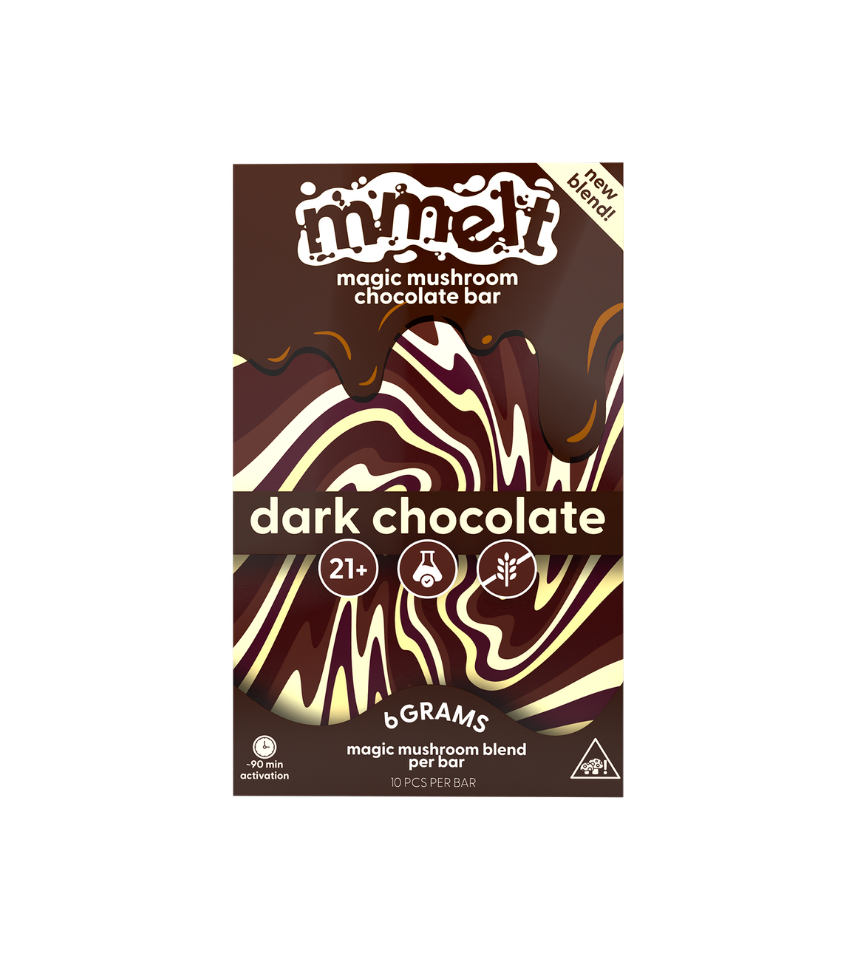
Dark chocolate mushroom bars are part of a growing category of food products that combine cocoa with mushroom extracts. A dark chocolate mushroom bar is essentially a chocolate product where functional mushroom ingredients are blended into cocoa during manufacturing.
These products are often discussed in relation to functional foods, plant-based nutrition trends, and ingredient innovation in the chocolate industry. The idea behind mushroom-infused chocolate is not to replace traditional chocolate but to create a variation that includes additional botanical components.
Interest in this category has increased in recent years due to rising consumer curiosity about alternative ingredients and food formats that go beyond standard confectionery.
Understanding chocolate infused with mushrooms
Chocolate infused with mushrooms refers to cocoa-based products that contain powdered or extracted mushrooms. The chocolate base remains the primary ingredient, typically made from cocoa solids, cocoa butter, and sweeteners.
The mushroom component is usually added in small amounts and processed in a way that ensures it blends smoothly into the chocolate matrix.
The purpose of adding mushrooms is mainly ingredient diversification. The flavor remains chocolate-dominant, while mushrooms contribute earthy undertones depending on the type and concentration used.
These products are not intended to mimic mushroom flavor in food dishes. Instead, they create a subtle balance between cocoa richness and natural botanical notes.
Background and rise of functional chocolate
The concept of combining functional ingredients with chocolate is not entirely new. Historically, chocolate has been combined with spices and herbs in various cultures. However, the modern version of mushroom-infused chocolate is part of a broader movement toward functional foods.
Functional foods are those that go beyond basic nutrition and are associated with additional ingredients that may contribute to general wellness discussions.
The rise of mushroom chocolate bars online reflects:
- Increased interest in plant-based diets
- Growth of alternative wellness products
- Expansion of specialty chocolate markets
- Consumer demand for ingredient transparency
- Experimentation in food manufacturing
This category is still evolving, and formulations vary widely across producers.

Types of mushrooms commonly used
Different mushrooms are used in chocolate formulations, each contributing slightly different characteristics.
Lion’s mane
Lion’s mane is often included in products associated with cognitive wellness discussions. It has a mild, slightly sweet earthy flavor that integrates well with cocoa.
Reishi
Reishi is known for its bitterness and is often used in darker chocolate formulations. It contributes a more pronounced earthy note compared to other mushrooms.
Chaga
Chaga is typically described as woody with subtle vanilla-like undertones after processing. It is commonly used in smoother chocolate blends.
Cordyceps
Cordyceps has a mild earthy flavor and is often included in formulations positioned around energy-related wellness themes.
These mushrooms are not used in raw culinary form but are processed into powders or extracts before being added to chocolate.
How these chocolate bars are produced?
The production process of dark chocolate mushroom bars follows standard chocolate-making steps with additional ingredient integration.
First, cocoa beans are selected based on quality, origin, and flavor profile. These beans are roasted to develop flavor and then ground into cocoa mass.
Separately, mushroom ingredients are prepared. This may involve drying, grinding, or extracting compounds into powder or concentrated forms.
The chocolate base is then blended with mushroom ingredients in controlled proportions. Sweeteners, emulsifiers, or additional flavoring agents may be added depending on the formulation.
The mixture is tempered to ensure proper crystal structure, which gives chocolate its characteristic snap and smooth texture. After tempering, the chocolate is molded into bars and cooled under controlled conditions.
The final product must balance flavor, texture, and ingredient stability.
Taste, aroma, and texture profile
The sensory experience of these chocolate bars depends on both cocoa percentage and mushroom type.
Flavor profile
The dominant taste is usually dark chocolate. Depending on formulation, earthy or slightly bitter notes from mushrooms may be noticeable. Sweetness levels vary but are often lower than milk chocolate products.
Aroma
The aroma is primarily cocoa-based, with subtle herbal or woody undertones in some variants.
Texture
A well-made bar is smooth and firm with a clean snap. Poorly processed formulations may have slight graininess if mushroom powders are not finely milled.
Comparison with milk chocolate versions
Milk chocolate versions containing mushrooms tend to be creamier and sweeter. They are generally considered more approachable for consumers who are new to this category.
Nutritional composition overview
The nutritional composition of dark chocolate mushroom bars depends on the ingredients used, but generally includes:
- Carbohydrates from chocolate and sweeteners
- Fats primarily from cocoa butter
- Fiber from cocoa solids
- Small amounts of protein depending on formulation
- Naturally occurring plant compounds from cocoa and mushrooms
Cocoa naturally contains flavonoids, which are plant compounds found in many plant-based foods. Mushrooms also contain naturally occurring compounds that vary depending on species and processing methods.
These bars are not standardized nutritional supplements, and their composition can differ significantly between manufacturers.

Commonly discussed benefits and considerations
Discussions around mushroom chocolate often focus on general dietary themes rather than specific medical outcomes.
Ingredient diversity
Combining cocoa with mushrooms increases the diversity of plant-based ingredients in a single food product.
Plant-based compounds
Both cocoa and mushrooms contain naturally occurring compounds that are studied in nutrition science for general dietary patterns.
Dietary variety
These products may offer an alternative to traditional chocolate options for individuals seeking ingredient variation.
Sensory experience
Chocolate contributes sensory satisfaction, and mushroom infusion typically does not overpower this experience when properly balanced.
It is important to understand that these are food products and not intended to diagnose, treat, or prevent medical conditions.
Comparison of different chocolate formats
|
Feature |
Dark chocolate mushroom bar |
Milk chocolate mushroom bar |
Plain dark chocolate |
|
Cocoa intensity |
High |
Medium |
High |
|
Sweetness |
Low to medium |
High |
Low to medium |
|
Texture |
Firm and smooth |
Creamy |
Firm |
|
Mushroom presence |
Moderate |
Mild |
None |
|
Flavor complexity |
High |
Moderate |
High |
|
Target preference |
Bitter chocolate consumers |
General consumers |
Chocolate purists |
Consumption methods and pairings
These chocolate bars can be consumed in several practical ways.
Direct consumption
They are commonly eaten in small portions as a snack.
Beverage pairings
They pair well with black coffee, herbal teas, and plant-based milk drinks.
Food pairings
Common pairings include almonds, cashews, walnuts, dried fruits, and oats.
Culinary uses
They can be melted and used in baking, dessert toppings, or blended into warm beverages.
Pairing choices often depend on the sweetness and cocoa intensity of the bar.
Storage and shelf life
Proper storage is important to maintain texture and flavor.
Chocolate should be stored in a cool, dry place away from direct sunlight. Exposure to heat can cause blooming, where cocoa butter separates and creates a whitish surface.
Humidity should be avoided as it can affect texture and shelf stability. When stored correctly, chocolate can maintain quality for several months depending on production methods.
Market trends and consumer interest
The market for mushroom-infused chocolate is expanding due to growing interest in ingredient-focused foods. Consumers searching for mushroom chocolate bars online often look for transparency in formulation, sourcing, and ingredient quality.
Key trends include:
- Increased demand for plant-based products
- Growth of specialty chocolate categories
- Focus on reduced sugar formulations
- Interest in functional ingredients
- Expansion of online availability
This category continues to evolve as more brands experiment with formulations and ingredient combinations.

Things to check before choosing
When evaluating a dark chocolate mushroom bar, several factors can help in making an informed choice.
- Ingredient list clarity
- Type of mushrooms used
- Cocoa percentage
- Sweetener type and quantity
- Allergen information
- Manufacturing transparency
- Texture and formulation quality
Understanding these factors helps consumers compare different products more effectively.
Myths and misunderstandings
There are several misconceptions about mushroom chocolate products.
Myth: It tastes like mushrooms
In most cases, the chocolate flavor is dominant, and mushroom taste is subtle.
Myth: It is a medical product
These are food products and not intended as medical treatments or supplements.
Myth: All products are the same
Formulations vary widely depending on mushroom type, cocoa percentage, and manufacturing methods.
Myth: Higher mushroom content always means better quality
Quality depends on formulation balance, not just ingredient quantity.
Conclusion
Dark chocolate mushroom bars represent an evolving segment of functional food products where cocoa is combined with mushroom extracts to create a distinctive ingredient profile. A dark chocolate mushroom bar offers a balance of cocoa bitterness and subtle earthy notes that distinguishes it from traditional chocolate formats.
Different variations such as mushroom dark chocolate, mushroom chocolate bars online, and mushroom milk chocolate reflect the diversity within this category and the range of consumer preferences.
For more information about ingredient-focused chocolate products and related offerings, mmelt.co provides additional details and product insights. Contact us for further inquiries
Frequently asked questions
Q1: What is a dark chocolate mushroom bar
It is a chocolate product that combines cocoa with mushroom extracts or powders.
Q2: Does mushroom chocolate taste earthy
Yes, mildly. The intensity depends on the mushroom type and concentration.
Q3: Is it the same as regular chocolate
No. It includes additional mushroom-derived ingredients.
Q4: What is mushroom dark chocolate
It is dark chocolate infused with functional mushroom extracts.
Q5: What is mushroom milk chocolate
It is a sweeter, creamier version with a softer flavor profile.
Q6: Can it replace supplements
No. It is a food product and not a dietary supplement.
Share:
Multi-Flavor Mushroom Chocolates Online: How to Choose the Best Options
Buy Mushroom Shots Online: What You Need to Know