

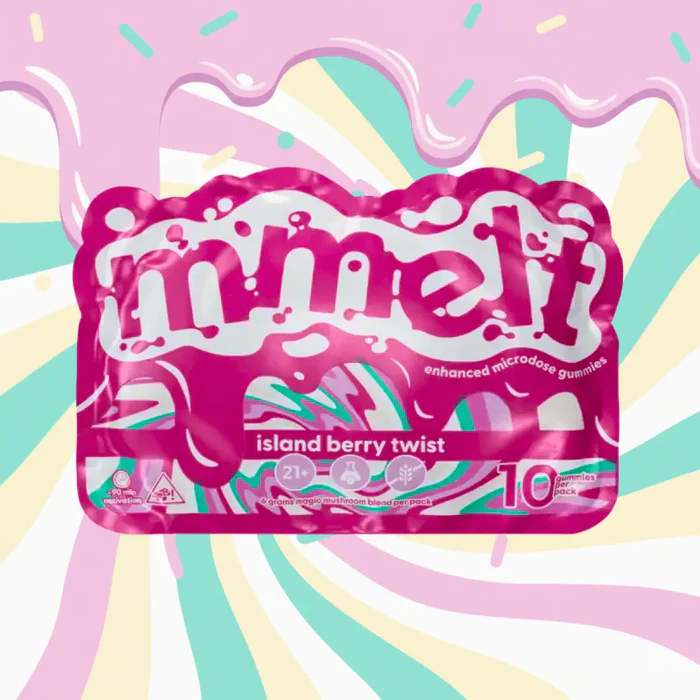
Mushroom Gummies have become one of the most popular ways to incorporate functional mushrooms into daily wellness routines. With the rise of modern supplement trends, gummies offer a convenient, tasty, and pre-measured option that appeals to a wide range of users. Unlike traditional capsules or powders, gummies provide both palatability and ease of use, making it simpler for individuals to maintain consistent daily intake.
Mushrooms have been used for centuries for their nutritional and therapeutic benefits. With the rise of modern wellness, mushroom supplements are available in multiple forms, including powders, capsules, and edible gummies. Understanding why mushroom gummies are increasingly chosen requires an in-depth comparison of effectiveness, convenience, absorption, and lifestyle integration.
This guide explains the differences between mushroom supplement forms, the science behind their benefits, and practical advice for incorporating them into your wellness routine.
Introduction to Functional Mushroom Supplements
Functional mushrooms have a long history of use in traditional medicine, particularly in Asia. Species such as Reishi (Ganoderma lucidum), Lion’s Mane (Hericium erinaceus), Chaga (Inonotus obliquus), Cordyceps, and Turkey Tail (Trametes versicolor) have been valued for immune support, cognitive enhancement, and overall wellness.
Historical Context
In Traditional Chinese Medicine (TCM), mushrooms were classified as tonic herbs that balance energy, strengthen immunity, and support longevity. Reishi, often called the “mushroom of immortality,” was reserved for emperors and known for its adaptogenic properties. Lion’s Mane has been used in Japan to support cognitive function and nerve regeneration.
Key Bioactive Compounds
Functional mushrooms contain compounds such as:
- Beta-glucans: Polysaccharides that support immune modulation
- Triterpenes: Anti-inflammatory and antioxidant effects
- Hericenones & Erinacines: Compounds in Lion’s Mane linked to nerve growth
- Phenols & Antioxidants: Protect against oxidative stress
Modern Usage
Today, mushrooms are incorporated into wellness routines as:
- Powders: Added to foods or drinks
- Capsules: Standardized doses of extracts
- Gummies: Flavorful, convenient, pre-measured supplements
The form you choose affects absorption, convenience, and user experience.

What Are Mushroom Extract Forms?
Understanding different mushroom extract forms is crucial for comparing gummies, capsules, and powders.
Powdered Mushrooms
- Made from dried and ground fruiting bodies or mycelium
- Contains fiber, minerals, and broad-spectrum compounds
- May require digestion to release bioactive compounds
Concentrated Extracts
- Extracted using water, alcohol, or a dual-extraction method
- Concentrates polysaccharides, beta-glucans, and triterpenes
- Often used in capsules and gummies for consistent potency
Mushroom Gummies
- Combines concentrated extracts with a flavored base for chewable consumption
- Provides pre-measured doses for convenience and consistent intake
- Often formulated with added nutrients to enhance absorption
Gummies vs Capsules: A Complete Comparison
Choosing between gummies and capsules involves several factors:
Taste and Palatability
- Gummies mask the earthy flavor of mushrooms, making them more enjoyable and easier to incorporate into a daily routine. The natural or added flavors can also make taking supplements a pleasant experience, which may increase long-term adherence. For people who are sensitive to strong or bitter tastes, gummies provide a more palatable option without compromising on active ingredients.
- Capsules are generally neutral in flavor and easy to swallow for some individuals. However, if a capsule is broken or chewed accidentally, the bitter taste of the mushroom extract can be noticeable and unpleasant. This difference in taste can influence the choice, especially for children, older adults, or anyone with taste sensitivity.
Convenience
- Gummies are chewable and portable, making them ideal for on-the-go lifestyles. They can be carried in a bag or kept at a desk, requiring no additional items such as water for consumption. This convenience is particularly beneficial for those with busy schedules, frequent travel, or irregular routines.
- Capsules require water to swallow properly and may not be as convenient in situations where fluids are limited. They are more discreet but less flexible for immediate consumption in varied environments.
Dosage Consistency
- Both forms offer consistent doses per serving, ensuring predictable intake of active compounds. Gummies, however, provide an easy way to track daily intake without the need for measuring, which reduces the likelihood of missed or uneven doses. This makes them especially helpful for beginners who may struggle with portion control when using powders.
Absorption and Metabolism
- Capsules dissolve in the digestive tract, with absorption influenced by stomach pH, digestive enzymes, and gut health. For some people, this may slow the uptake of nutrients or reduce bioavailability slightly compared to other forms.
- Gummies may partially dissolve in the mouth before reaching the stomach, supporting both sublingual and digestive absorption. This can allow certain water-soluble compounds to be absorbed more efficiently, potentially providing faster effects in some individuals.
Lifestyle Integration
- Gummies are ideal for busy individuals, travelers, or those who dislike swallowing pills, as they integrate seamlessly into daily routines. Their palatability and portability encourage regular use, which is critical for experiencing the cumulative benefits of functional mushrooms over time.
- Capsules suit people who need higher-potency doses or prefer a more traditional supplement form. They are easy to store, have a longer shelf life, and are often preferred by those who prioritize precise control over the quantity of active compounds. Capsules can also be combined with powders or other supplements for more comprehensive health routines.

Mushroom Powder vs Edibles
Powder Advantages
- Flexible use in recipes, smoothies, coffee, or tea
- Allows precise control of dosage
- Often contains full-spectrum mushroom compounds
Edible Advantages (Gummies)
- Convenient, pre-measured doses
- Easier for children and adults who dislike powders
- Integrates seamlessly into daily routines
Digestive Considerations
- Powders may irritate sensitive stomachs
- Gummies are often formulated for gentle digestion
How Mushroom Gummies Fit Into Daily Wellness
Building a Routine
- Gummies simplify adherence: chew one or two gummies daily
- Can be consumed at any time, with or without food
Lifestyle Integration
- Morning wellness routine: support energy and focus
- Evening routine: support stress adaptation and sleep (with calming mushrooms like Reishi)
Behavioral Psychology
- Taste and habit formation increase compliance
- Visual appeal and flavor encourage consistent supplementation
Bioavailability and Absorption
Bioavailability is key to supplement effectiveness:
- Water-soluble extracts are absorbed more quickly
- Capsules provide concentrated doses that may take longer to digest
- Powders depend on proper chewing or mixing for absorption
Factors affecting absorption:
- Digestive health and enzyme activity
- Formulation quality and extraction method
- Presence of other nutrients in the diet

Nutritional and Practical Comparison Table
|
Feature |
Gummies |
Capsules |
Powders |
|
Taste |
Flavored |
Neutral |
Earthy |
|
Convenience |
High |
Moderate |
Low |
|
Dosing Consistency |
Fixed |
Measured |
Variable |
|
Absorption Potential |
Moderate |
Moderate-High |
Variable |
|
Culinary Use |
Low |
Moderate |
High |
|
Portability |
Very High |
High |
Low |
|
Suitability for Beginners |
Very High |
Moderate |
Low |
|
Cost per Serving |
Moderate |
High |
Low |
|
Storage Requirements |
Room Temp |
Room Temp |
Cool, dry place |
|
Sugar Content |
Low-moderate |
None |
None |
Clinical and Research Evidence for Functional Mushrooms
Immune Support
- Beta-glucans enhance immune cell function
- Polysaccharides support innate immunity
Cognitive Function
- Lion’s Mane compounds stimulate nerve growth factor
- May improve memory, focus, and cognitive performance
Anti-inflammatory Effects
- Reishi triterpenes reduce markers of inflammation
- Beneficial for chronic inflammation management
Antioxidant and Digestive Benefits
- Chaga and Turkey Tail provide antioxidants
- Fibers support gut microbiome diversity
Research Limitations
- Most human studies are small-scale
- Further trials are needed to confirm long-term benefits
How to Choose the Right Mushroom Supplement
-
Define Your Goals
- Identify your primary wellness objective: daily overall wellness, cognitive support, or immune system enhancement.
- Choose mushrooms based on their benefits: Lion’s Mane for brain and nerve support, Reishi or Turkey Tail for immune and stress support.
- Clarifying goals helps narrow down options and ensures the supplement aligns with your health needs.
-
Consider Lifestyle
- Assess your routine: busy schedule, frequent travel, or home-based lifestyle.
- Gummies are convenient, portable, and quick to take on-the-go.
- Powders are ideal for those who enjoy culinary use, such as adding to smoothies, teas, or recipes.
- Capsules suit individuals who prefer precise dosing, higher-potency extracts, or traditional pill formats.
-
Check Quality
- Look for full-spectrum extracts containing both fruiting body and mycelium for maximum benefit.
- Ensure standardized beta-glucan content to confirm measurable immune-supporting properties.
- Choose products that are certified organic or third-party tested to guarantee purity and safety.
- Consider manufacturing transparency, sourcing, and absence of contaminants like heavy metals or pesticides.
-
Select Form
- Gummies: easy, flavorful, and promote consistent daily use—ideal for beginners or those with hectic routines.
- Capsules: potent, stable, and preferred for precise dosing or higher concentrations.
- Powders: versatile, suitable for culinary integration, but require measuring and preparation.
- The right form depends on your goals, lifestyle, taste preference, and commitment to consistent intake.

Common Myths and Misconceptions
- Capsules are always better – False; effectiveness depends on extract quality
- Powders are most natural – False; bioavailability matters
- High dose equals better results – False; consistent daily use is more important
For a deeper dive into how various mushroom species support wellness, check out our comprehensive article on functional mushrooms.
Conclusion
Mushroom gummies provide a convenient, tasty, and effective way to incorporate functional mushrooms into your daily wellness routine. They offer pre-measured doses, ease of consumption, and compatibility with modern lifestyles. While powders and capsules have their place, gummies combine effectiveness with adherence and enjoyment.
At MMelt, our high-quality mushroom gummies are formulated for consistent daily use, supporting immune health, cognitive function, and overall well-being. Choosing the right form ensures that functional mushrooms can be a seamless and beneficial part of your lifestyle. Contact Us for more information and details about mushroom gummies.
Frequently Asked Auestions
Q1: Are gummies as effective as capsules?
Yes, with high-quality extracts in proper doses.
Q2: Can powders be added to foods?
Yes, powders are versatile for culinary use.
Q3: How do I know which extract form to choose?
Consider goals, lifestyle, and convenience.
Q4: Are mushroom supplements safe?
Generally, yes. Consult a healthcare provider if pregnant, nursing, or on medication.
Q5: Do gummies contain sugar?
Some do; low-sugar or naturally sweetened versions are available.
Q6: Can children take mushroom gummies?
Often yes, in age-appropriate doses.
Q7: How long before I notice benefits?
It varies; consistent daily use over weeks is recommended.
Q8: Are there side effects?
Mild digestive changes are possible; discontinue if adverse reactions occur.
Q9: Can I combine different mushroom species?
Yes, blended formulations are common for broad-spectrum support.
Q10: How should I store mushroom supplements?
Cool, dry, and away from direct sunlight.
Share:
What are Functional Mushrooms and Why Do People Use Them?
What Is MMELT Mushroom Chocolate and What Makes It Unique?