

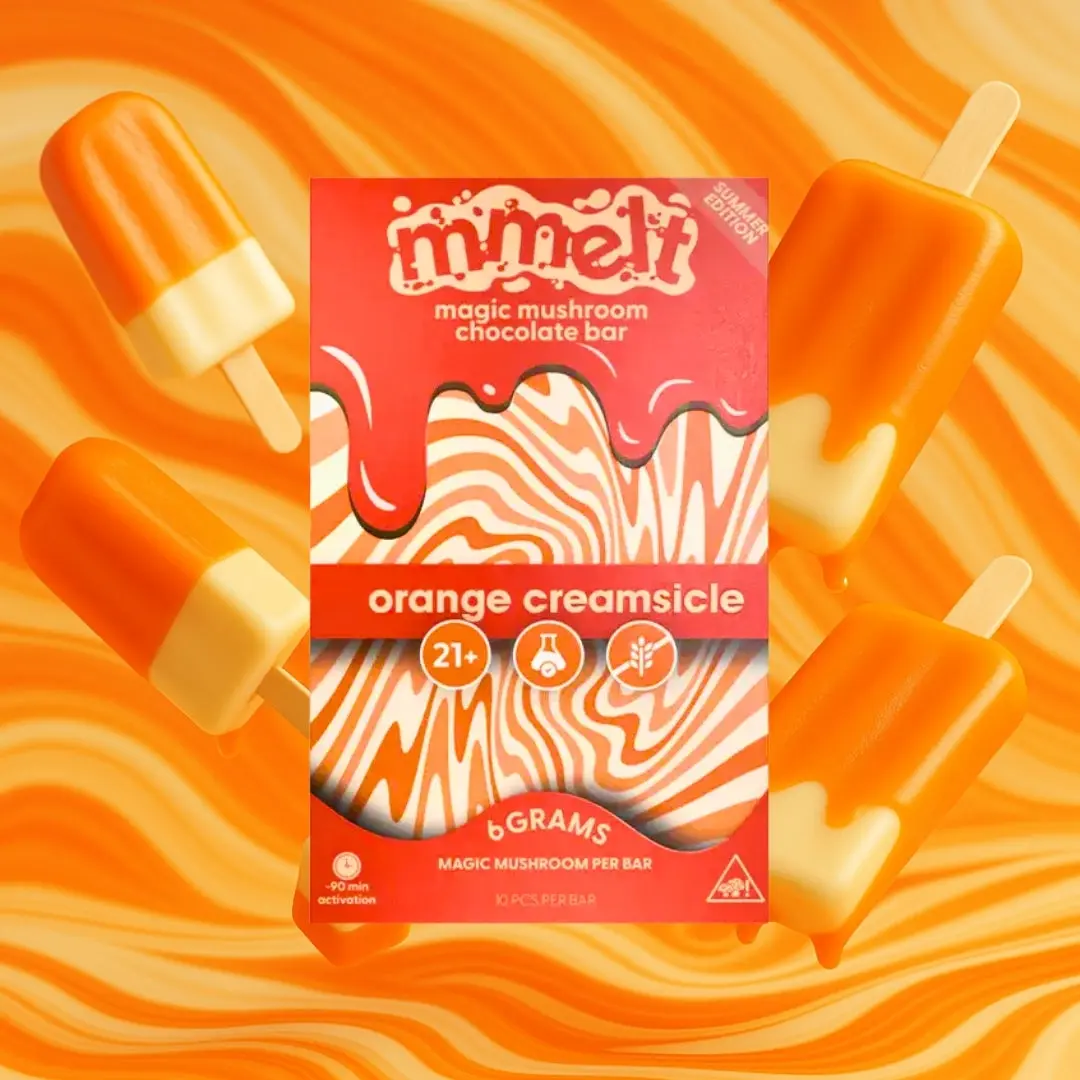
Flavored mushroom chocolates are having a real moment in 2026, and it is not just hype. Consumers are demanding “fun-first wellness” formats that taste like dessert but deliver consistent, trackable experiences. In fact, chocolate remains one of the most-loved functional formats because it is portable, shareable, and naturally good at masking earthy notes. What is changing fast this year is the sophistication: better cocoa sourcing, cleaner ingredient decks, clearer lab reports, and more intentional flavor pairings that complement different mushroom profiles.
In this guide, you will learn which flavor families are winning right now, how to choose between bars and squares, what “online” shoppers should verify before buying, and the 2026 trends pushing the category forward. You will also get practical tips to avoid common mistakes and a comparison table you can use like a shopping checklist.
Why flavored mushroom chocolates are booming in 2026?
Chocolate is a stealth health format. It carries bold flavors, manages bitterness, and allows micro-portions that make dosing easier than beverages for many people. On top of that, mushrooms have gone mainstream in wellness. Dietary supplement use is already the norm, with 75% of U.S. adults reporting use of dietary supplements (Council for Responsible Nutrition, 2023). That rising comfort with supplements is spilling into more enjoyable delivery forms, including gummies, chocolates, and shots.
There is also a practical, consumer-driven reason: taste. Many mushroom extracts have naturally earthy, bitter, or umami notes. Chocolate’s fat content and aromatic profile can round off those edges, especially when paired with the right inclusions like citrus oils, vanilla, sea salt, or warming spices.
What “mushroom chocolate” actually means (and why it matters)
“Mushroom chocolate” is used for two very different product types, and mixing them up is the fastest way to have a bad time. One category is functional mushroomsused in supplements (like lion’s mane, reishi, cordyceps, chaga). The other category is psychedelic productsoften searched as magic mushroom chocolate bars. These are not the same thing, and they come with very different safety and legal considerations depending on where you live.
From a consumer safety standpoint, your first job is to identify which one you are looking at and whether it is lawful in your location. From a quality standpoint, your second job is to confirm dose and testing.
Top flavor profiles for flavored mushroom chocolates in 2026
The best flavored mushroom chocolates do not just hide mushroom notes. They turn them into part of the experience. Think of it like coffee: the goal is not to erase bitterness, it is to balance it with sweetness, acidity, and aroma. Below are the flavor families that are performing best in premium product development right now.
1) Sea salt and caramel (the “earthiness tamer”)
Salt sharpens chocolate and softens “soil-like” or woody notes. Caramel adds browned sugar complexity that pairs especially well with reishi and chaga’s deeper flavors. If you are new to mushroom chocolate squares online, this is the safest on-ramp because it tastes familiar.
2) Citrus and ginger (the “brightener”)
Citrus oils lift the aroma while ginger provides warmth that distracts from bitterness. This pairing is popular in 2026 for daytime “get-it-done” routines, especially with lion’s mane and cordyceps blends. Look for real citrus oil or zest, not just “natural flavors.”
3) Raspberry or cherry dark (the “tart-to-bitter” bridge)
Dark chocolate plus berry acidity creates a clean finish. This is a smart pairing when you want a higher cocoa percentage, because fruit notes make dark chocolate feel less intense. If a bar tastes “flat,” it is often because the product skimps on real fruit inclusions and relies too heavily on sweeteners.
4) Mint and cacao nib (the “fresh finish”)
Mint covers earthy notes fast, and cacao nib adds crunch that shifts attention to texture. This is a strong choice for people sensitive to mushroom aftertaste. If you are comparing brands, note that peppermint oil can be potent, so high-quality bars balance mint rather than turning the bar into toothpaste.
5) Vanilla chai and cinnamon (the “cozy spice blend”)
Warm spices pair naturally with chocolate and can harmonize with reishi’s bitter backbone. In 2026, chai-style profiles are trending in functional foods because they deliver sensory “comfort” without needing excessive sugar.
6) Espresso and hazelnut (the “grown-up dessert”)
Roasty notes play nicely with mushrooms because they share earthy, toasted aromatics. Hazelnut adds fat and sweetness for a smoother melt. This flavor profile is also a good test of chocolate quality: cheap bases taste waxy when combined with coffee flavors.

How to choose between bars, squares, and bites (with a 2026 checklist)?
Format impacts experience. Bars feel indulgent, squares make portioning easy, and bites are perfect for micro-moments. If you are shopping for mushroom chocolate buy online options, format also affects shipping stability and shelf life.
|
Format |
Best for |
What to verify before buying online |
|---|---|---|
|
Full bar (segmented) |
Sharing, “dessert ritual,” consistent portions |
Segment dose clarity, cocoa % and fat source, heat-safe shipping options |
|
Squares (individually wrapped or scored) |
Precision routines, on-the-go, easier titration |
Per-square dose, batch/best-by dates, storage guidance, lab report availability |
|
Bites / truffles |
Premium mouthfeel, gifting, texture-forward experiences |
Sugar content, allergens (nuts, dairy), shipping insulation and melt protection |
|
Filled chocolates |
Flavor complexity, masking stronger extracts |
Filling stability, emulsifiers, ingredient transparency, added stimulants |
Top flavored mushroom chocolates to try this year (flavor-led picks)
Instead of listing random brands, use this expert approach: choose by flavor architecture and quality signals. The “best” chocolate is the one that matches your palate, your routine, and your tolerance for bitterness while meeting basic verification standards.
Pick 1: Sea salt caramel dark (best starter flavor)
Why it works: Salt and caramel blunt earthy notes and make lower-sugar dark chocolate feel smoother. This is ideal for first-timers who want “treat vibes” without committing to a strong mushroom-forward taste.
Pick 2: Orange peel + ginger (best for bright, daytime energy rituals)
Why it works: Citrus oils hit the nose first, and ginger gives a warming finish. This combination can make even assertive extracts feel cleaner.
Pick 3: Raspberry dark + cacao nib (best “tart crunch” experience)
Why it works: Raspberry acidity and nib texture keep the bar from tasting muddy. If you love dark chocolate but hate lingering aftertaste, this is a strong move.
Pick 4: Mint + vanilla (best aftertaste fixer)
Why it works: Mint refreshes the palate immediately, and vanilla rounds the sweetness. Great for people who have tried mushroom products before and didn’t love the finish.
Pick 5: Chai spice milk chocolate (best “cozy” crowd-pleaser)
Why it works: Cinnamon, cardamom, ginger, and clove create complexity that distracts from earthy flavors. Milk chocolate also softens intensity for new users.
Pick 6: Espresso hazelnut dark (best premium dessert feel)
Why it works: Roasty espresso and nutty fat create a praline-like finish that pairs naturally with cocoa. This is one of the most “luxury” flavor profiles when done right.
What’s changing in 2026: labeling, testing, and “trust signals” shoppers now demand
The 2026 shopper is more skeptical and more educated. The category has seen everything from genuinely premium products to questionable “too good to be true” listings. This is pushing reputable brands toward tighter documentation, better sourcing, and more transparent marketing.
Trend 1: higher expectations for supplement-quality testing
For functional mushroom chocolate, consumers increasingly ask for heavy metal screening because mushrooms can bioaccumulate elements from growing environments. They also want evidence that the label claim matches reality. This demand aligns with the broader supplement industry’s push for quality systems and verification. As a signal of how big supplements are culturally, the U.S. supplement market was estimated at $60+ billion in annual sales (Nutrition Business Journal, 2023).
Trend 2: cocoa ethics and traceability matter more
Chocolate is under scrutiny for supply chain issues, and premium brands are responding with better sourcing and certifications. A widely cited industry benchmark is that about 1.56 million children worked in cocoa production in Côte d’Ivoire and Ghana during 2018 to 2019 (NORC at the University of Chicago, 2020). In 2026, “premium” increasingly implies traceable cocoa and transparent sourcing, not just fancy packaging.
Trend 3: micro-portioning and “experience control”
Even outside psychedelics, people want predictable experiences. This maps to broader public health trends around sugar reduction too. The World Health Organization continues to recommend limiting “free sugars” to less than 10% of total energy intake, with additional benefits below 5% (WHO Guideline, 2015). In practice, that is pushing brands toward darker bases, smaller squares, and more flavor from spices and fruits instead of extra sugar.
Common mistakes to avoid when buying mushroom chocolate squares online
Buying online can be convenient, but it also increases your exposure to sloppy listings and mystery products. Use this section as your guardrail before you click “add to cart,” especially for queries like mushroom chocolate buy online or mushroom chocolate squares online.
Mistake 1: trusting vague “proprietary blend” labeling
If the label hides the amount per serving and per piece, you cannot compare products. For functional mushrooms, look for clear milligram amounts and extract ratios or standardization notes.
Mistake 2: ignoring heat-shipping realities
Chocolate melts. In warm months, look for insulated shipping, cold packs, or “ship hold” options. If a brand cannot tell you how they protect chocolate in transit, expect bloom, texture issues, and inconsistent portioning.
Mistake 3: confusing cocoa percentage with quality
High cacao percent does not automatically mean premium. Mouthfeel depends on cocoa butter content, conching time, emulsifiers, and storage. Some ultra-dark bars also amplify bitter notes, making mushroom flavors harder to balance.
Mistake 4: overlooking allergens and stimulants
Many formulas include caffeine (coffee, guarana), adaptogens, or botanicals. If you are sensitive to stimulants, check the ingredient list carefully. Also scan for common allergens like dairy, soy lecithin, and nuts.
Mistake 5: treating “magic mushroom chocolate bars” listings like normal candy
Legality and safety vary significantly, and online listings can be misleading. If a listing lacks transparent sourcing, dosage clarity, and credible lab documentation, that is a red flag. When in doubt, do not buy.
Practical buying playbook: how to evaluate flavored mushroom chocolates like a pro
Use this step-by-step flow the next time you are browsing. It takes 3 minutes and saves you from expensive regret.
Real-world scenario: choosing your first box
If you are new and buying online, choose two contrasting flavors instead of one big bar. For example, sea salt caramel (masking) plus raspberry dark (bright finish). This lets you learn your preferences quickly without overcommitting to a single profile.
Edge case: you hate dark chocolate but want “less sugar”
Try a milk chocolate chai spice in smaller squares, or a medium-dark (50% to 65%) with citrus. Spices and fruit can reduce perceived sweetness needs, letting you go lower sugar without going ultra-dark and bitter.
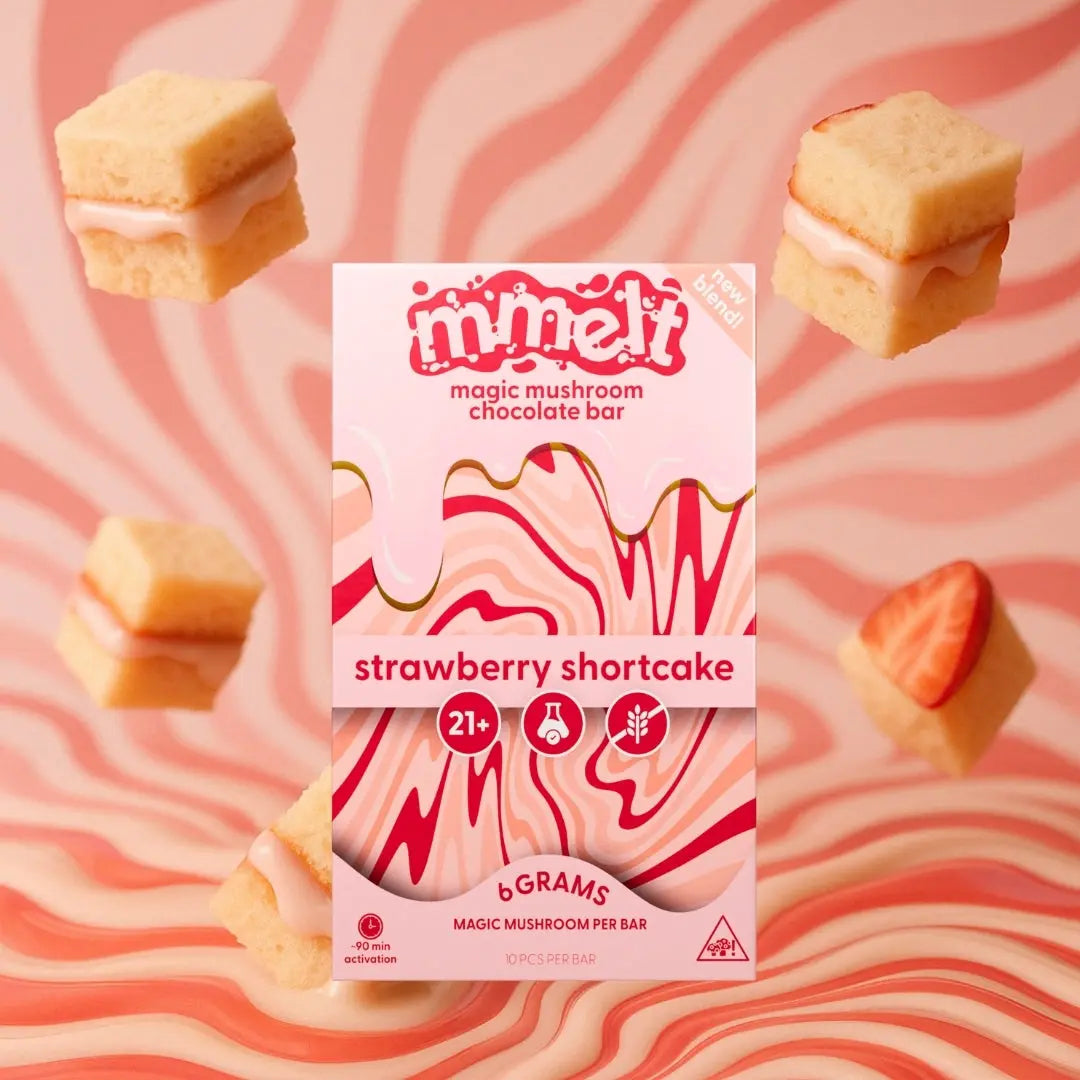
Expert notes on quality: what to look for on labels and lab reports
Premium brands win on the boring stuff. If you want consistent experiences, prioritize labeling and quality signals over marketing names.
Conclusion
Flavored mushroom chocolates in 2026 are all about taste plus trust. If you pick smart flavors and demand clear verification, you get a premium experience instead of a gamble.
If you want a fun-first wellness approach that still respects the science and the standards, keep your next chocolate run intentional. For product questions, flavor recommendations, or help choosing the right format, contact Mmelt through our website contact page or customer support email, and we will point you toward your best-match mushroom chocolate experience.
Frequently asked questions
Q1: What are flavored mushroom chocolates?
Flavored mushroom chocolates are chocolate products infused with mushroom ingredients, often functional mushroom extracts, and paired with flavors like caramel, mint, citrus, or berries. The goal is to make the experience delicious while delivering a consistent, portioned format. Always check the label to confirm which mushroom type is used.
Q2: Are “magic mushroom chocolate bars” the same as functional mushroom chocolate?
No. Functional mushroom chocolates typically use non-psychedelic species like lion’s mane or reishi. “Magic mushroom chocolate bars” usually refer to psychedelic products, which have different legal and safety considerations depending on your location.
Q3: What flavors are best for masking earthy mushroom taste?
Sea salt caramel, mint-vanilla, and espresso-hazelnut are top “masking” profiles because they counter bitterness and add aromatic distraction. Citrus-ginger also helps by lifting the nose and brightening the finish. If you dislike aftertaste, mint-forward options tend to be the most forgiving.
Q4: How do I safely shop for mushroom chocolate squares online?
Prioritize listings with clear per-square information, full ingredient lists, and transparent quality documentation. Look for realistic shipping practices like insulation in warm weather. Avoid products with vague “proprietary blends” that hide amounts per piece.
Q5: What should I look for on a label when I mushroom chocolate buy online?
Check the mushroom species, the amount per serving and per piece, and whether the product uses extracts or Q8: unspecified powders. For functional products, heavy metal screening and clear sourcing are important trust signals. Also verify allergens and added stimulants like caffeine.
Q6: Do flavored mushroom chocolates contain caffeine?
Some do, especially espresso or coffee-flavored bars, or products that add botanicals like guarana. Many do not contain meaningful caffeine unless coffee ingredients are added. If you are sensitive, choose berry, caramel, or chai profiles and confirm the label.
Q7: Are mushroom chocolate squares better than a full bar?
Squares are often easier for consistent portioning because the per-piece amount is clear and repeatable. Full bars can be just as precise if they are scored and labeled well. Choose squares if you want routine-friendly convenience and simpler control.
Q8: How should I store mushroom chocolate at home?
Store it in a cool, dry place away from heat and sunlight. Avoid the refrigerator unless necessary, because condensation can affect texture and cause sugar bloom. If you live in a hot climate, airtight storage in a cool cabinet is usually best.
Q9: Why does some mushroom chocolate taste waxy?
Waxy mouthfeel often comes from lower-quality fat choices, insufficient conching, or stabilizers that dull the melt. It can also happen if the chocolate experienced heat swings during shipping. Choosing brands with melt-protected shipping and transparent cocoa butter content can help.
Q10: What is the biggest mistake people make with mushroom chocolate online?
The biggest mistake is buying based on a trendy name instead of verifying what is actually inside and how it is portioned. If the product lacks clear labeling and credible testing documentation, it is not worth the risk. Treat transparency as the minimum requirement, not a bonus.
Share:
Buy Mushroom Shots Online: What You Need to Know
Top Multi-Flavor Mushroom Gummies Multi-Flavor Pack For Every Occasion