

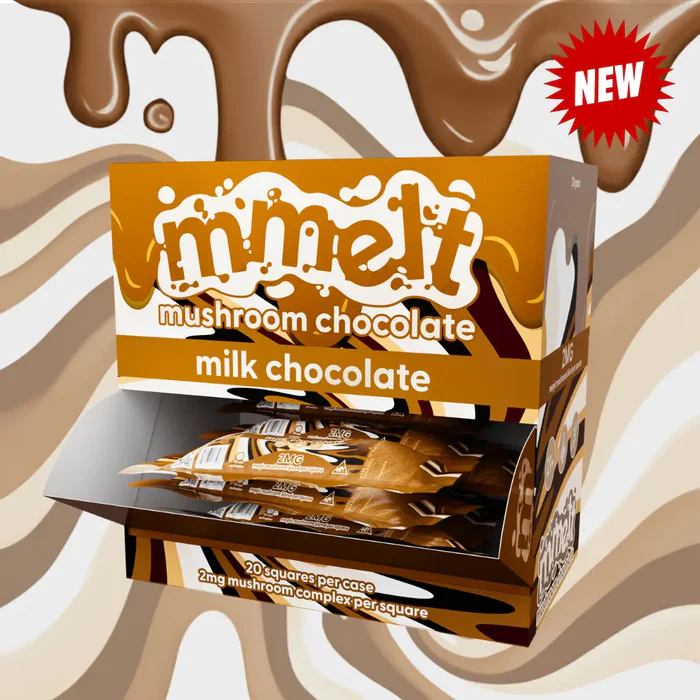
Mushroom Edibles are increasingly available across wellness, specialty food, and ingredient-focused markets. As interest grows, so does the number of products claiming to meet high standards for quality, purity, and formulation. However, the wide variation in sourcing, processing, and ingredient transparency makes it essential to understand how to evaluate mushroom edible quality before making a selection.
This guide provides a detailed, informational overview of what to look for when choosing high-quality mushroom edibles. It focuses on verifiable factors such as ingredient composition, mushroom gummies ingredients, mushroom chocolate purity, clean ingredients, and the importance of lab tested mushroom products. The goal is to help readers assess products objectively, without relying on promotional claims or surface-level branding.
Understanding Mushroom Edibles
What Are Mushroom Edibles?
Mushroom edibles are consumable products formulated using mushroom-derived ingredients, including powders, extracts, or concentrates. Unlike fresh mushrooms, edibles are designed for consistency, convenience, and longer shelf life. They are often manufactured to deliver standardized serving sizes and stable formulations.
The quality of mushroom edibles depends on several interconnected factors, including the source of the mushrooms, how they are processed, and the additional ingredients used to create the final product.
Common Types of Mushroom Edibles
Mushroom edibles are available in multiple formats, each with its own quality considerations.
|
Type of Edible |
Key Quality Considerations |
|
Gummies |
Ingredient transparency, sugar content, extraction method |
|
Chocolates |
Mushroom chocolate purity, cacao sourcing |
|
Capsules |
Powder quality, filler ingredients |
|
Powders |
Processing methods, moisture control |
Understanding the differences between these formats helps clarify which quality markers are most relevant when evaluating a product.

Why Mushroom Edible Quality Matters
Safety and Contamination Considerations
Mushrooms naturally absorb elements from their growing environment. Without careful sourcing and testing, this can lead to contamination with heavy metals, pesticides, or unwanted microorganisms. Mushroom edible quality directly affects consumer safety, making responsible cultivation and testing essential.
Consistency Across Batches
High-quality mushroom edibles are manufactured using standardized processes that promote consistency. Without proper formulation controls, products may vary in composition from batch to batch. Consistency reflects disciplined manufacturing and reliable sourcing.
Transparency and Trust
Transparent labeling, accessible testing documentation, and clear ingredient lists help consumers make informed decisions. Brands that prioritize transparency often demonstrate stronger internal quality systems and accountability.
Key Factors That Define High-Quality Mushroom Edibles
Mushroom Sourcing and Cultivation
The origin of mushrooms is one of the most important indicators of quality. Factors to consider include:
- Controlled growing environments
- Documented cultivation methods
- Traceable supply chains
Mushrooms grown in regulated environments are easier to monitor for contamination and consistency.
Extraction and Processing Methods
Processing methods influence how mushroom components are preserved and concentrated. Well-designed extraction techniques aim to maintain integrity while minimizing degradation.
Poor processing may result in inconsistent composition or the presence of unwanted residues. Understanding how mushrooms are processed provides insight into overall mushroom edible quality.
Clean Ingredients as a Quality Standard
Clean ingredients are a defining feature of high-quality mushroom edibles. This concept applies to all components of the formulation, not just the mushroom content.
Clean ingredients typically involve:
- Clear identification of sources
- Minimal use of unnecessary additives
- Purpose-driven formulation choices
Products with clean ingredients are generally easier to evaluate and compare objectively.
Mushroom Gummies Ingredients Explained
Core Mushroom Components
Mushroom gummies ingredients should clearly specify the type of mushroom used and whether the formulation includes extracts or powders. Generic descriptions make it difficult to assess quality.
High-quality gummies prioritize clarity, traceability, and consistency in their mushroom components.
Supporting Ingredients in Gummies
Gummies require additional ingredients to achieve texture and stability. While these ingredients are functional, their quality and quantity matter.
|
Ingredient Category |
Higher-Quality Indicators |
|
Sweeteners |
Clearly labeled, moderate use |
|
Flavorings |
Identifiable sources |
|
Colorants |
Minimal or absent |
|
Stabilizers |
Used only when necessary |
Excessive additives may indicate attempts to compensate for weak formulation or poor ingredient quality.
Ingredients to Review Carefully
Certain ingredients may suggest lower formulation standards, including artificial dyes, excessive preservatives, and overly complex stabilizer systems.
Mushroom Chocolate Purity and Quality Standards
Defining Mushroom Chocolate Purity
Mushroom chocolate purity refers to the balance between mushroom ingredients and the chocolate base within a finished product. High-quality formulations are designed so that both components remain distinct and clearly identifiable, without one overpowering the other. When purity is prioritized, the chocolate serves as a complementary carrier rather than a masking agent, allowing the mushroom content to remain consistent and traceable. Products that lack this balance may rely on excessive chocolate flavor or sweetness to compensate for lower-quality mushroom ingredients, which can reduce overall formulation transparency.
Chocolate Quality and Cacao Sourcing
The quality of chocolate used in mushroom edibles has a direct impact on formulation integrity and ingredient clarity. Lower-grade chocolate often contains unnecessary emulsifiers, artificial flavoring agents, or added sugars that complicate the ingredient list. In contrast, high-quality formulations typically use:
- Clearly sourced cacao
- Simple chocolate ingredient lists
- Minimal processing additives
These characteristics support cleaner formulations and make it easier to evaluate overall ingredient quality.
Consistency and Batch Control
Reliable mushroom chocolates maintain consistent texture, flavor, and composition across batches. Inconsistencies may indicate variability in cacao sourcing, mushroom input quality, or processing methods, all of which can affect product reliability over time.

The Importance of Lab Tested Mushroom Products
What Lab Testing Confirms?
Lab tested mushroom products undergo independent analysis to verify their identity, purity, and safety. These tests help ensure that the mushrooms included in a product are the correct species and that they have been processed safely. Testing commonly evaluates:
- Mushroom species identification – confirming that the correct species, whether lion’s mane, reishi, or chaga, is present in the stated quantity.
- Heavy metal levels – measuring for elements such as lead, mercury, arsenic, and cadmium, which mushrooms can naturally absorb from soil.
- Microbial contamination – detecting bacteria, yeast, or mold that could compromise safety.
- Pesticide residue – ensuring that any agricultural chemicals used during cultivation remain below safe limits.
These lab results provide critical information for consumers, helping them distinguish between products that are responsibly sourced and those with uncertain or inconsistent quality. Products that undergo comprehensive testing are generally more reliable and consistent in potency, safety, and performance.
Third-Party Testing and Accountability
Third-party testing provides an external layer of verification beyond internal quality checks. Unlike in-house testing, independent laboratories have no stake in product outcomes, which reduces potential bias. This objective evaluation confirms claims made on product labels, including mushroom species, concentration levels, and absence of contaminants.
Products that provide batch-specific results demonstrate a higher level of transparency and accountability. Consumers can often access Certificates of Analysis (COAs) directly or via a website, allowing them to verify the integrity of each batch. Brands that consistently disclose these reports are signaling a commitment to reproducibility and formulation consistency. Third-party testing also supports regulatory compliance and can be an important differentiator in a market where many products do not provide verifiable documentation.
Reading Certificates of Analysis
Certificates of analysis summarize lab findings for specific batches of mushroom edibles. COAs are essential for consumers who want to understand exactly what is present in the product and whether it meets safety and quality standards.
Key elements to review include:
- Testing dates – ensuring results are recent and relevant to the batch being purchased.
- Pass or fail indicators – confirming that contaminant levels, microbial counts, and pesticide residues fall within acceptable limits.
- Alignment with product labeling – verifying that the species, quantity, and concentration of mushroom ingredients match what is advertised.
Accessing and reviewing COAs allows consumers to make informed decisions and compare products based on objective laboratory data rather than marketing claims. COAs are particularly valuable for those with sensitivities, dietary restrictions, or a focus on clean, traceable ingredients.
Clean Ingredients and Their Role in Mushroom Edible Quality
Clean ingredients reduce unnecessary formulation complexity and improve transparency. Mushroom edibles with fewer, clearly defined components are generally easier to evaluate and compare. By minimizing the number of additives, sweeteners, or flavor enhancers, brands can maintain focus on the mushroom content while providing a more predictable and consistent product.
Ingredient order also plays an important role, as ingredients are listed by weight. Placing mushroom ingredients near the top of the list often indicates that the product prioritizes the active component over filler ingredients. Additionally, clean ingredients support safer, more natural formulations and align with consumer preferences for transparency and simplicity. For mushroom edibles, emphasizing clean, purposeful ingredients enhances both quality perception and functional reliability, giving consumers confidence that what they see on the label accurately reflects what they are consuming.
Packaging, Storage, and Shelf Stability
Packaging Materials
Packaging protects mushroom edibles from moisture, light, and oxygen exposure. Effective packaging supports shelf stability and ingredient integrity.
Storage and Shelf Life
Clear storage instructions and visible expiration dates help maintain quality over time. Shelf stability reflects both formulation design and packaging effectiveness.
Comparing Mushroom Edibles Objectively
Evaluating Without Marketing Bias
Ingredient lists, sourcing disclosures, and testing documentation offer more reliable information than front-label claims.
Common Red Flags
- Missing or vague testing information
- Proprietary blends without explanation
- Inconsistent labeling across products
These indicators warrant closer evaluation.
Conclusion
Choosing high-quality mushroom edibles involves more than selecting a popular format or appealing label. Evaluating mushroom edible quality requires attention to sourcing, processing, formulation, testing, and transparency.
By understanding mushroom gummies ingredients, assessing mushroom chocolate purity, and prioritizing lab tested mushroom products made with clean ingredients, consumers can make informed decisions grounded in verifiable quality standards.
Brands such as MMelt emphasize transparency and education to help consumers better understand mushroom edibles. For more information, contact us.
Frequently Asked Questions
Q1: How do I evaluate mushroom edible quality?
Focus on ingredient transparency, clean ingredients, documented testing, and sourcing clarity.
Q2: Are lab tested mushroom products safer?
Testing reduces risk but should be part of a broader quality system.
Q3: Do mushroom gummies ingredients differ significantly from chocolates?
Yes. Gummies often require more supporting ingredients, while chocolates depend heavily on cacao quality.
Q4: Why does mushroom chocolate purity matter?
Purity affects formulation balance, consistency, and ingredient transparency.
Q5: Are clean ingredients always better?
Clean ingredients make quality easier to assess and reduce unnecessary formulation complexity.
Share:
How to Use Mushroom Gummies in Your Daily Wellness Routine
Where Is It Legal to Buy Functional Mushroom Edibles?